


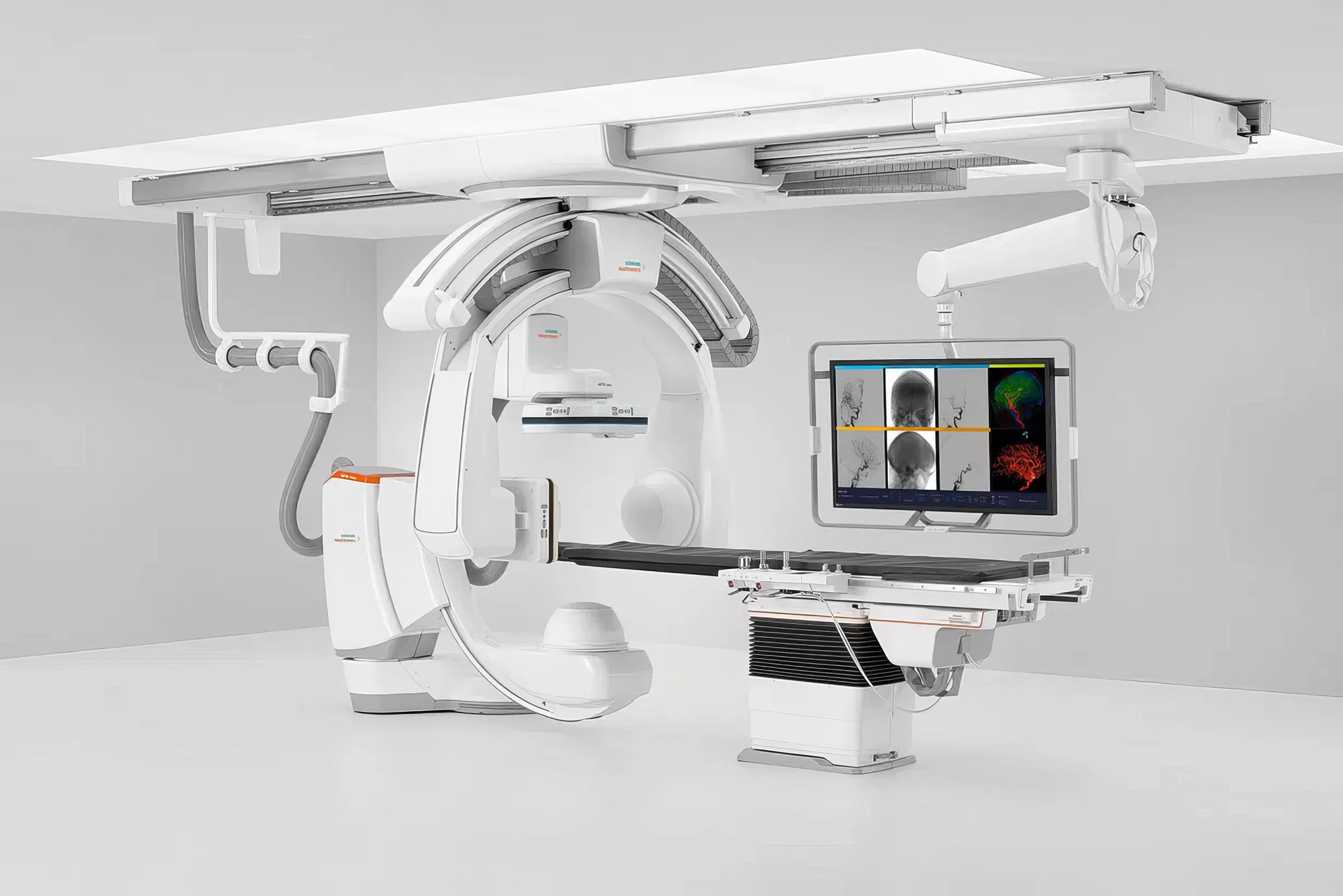
Lung Biopsy
Lung Biopsy
Treatment for:
Diagnosis of disease
Why it’s done:
Lung nodules or masses can either be benign or malignant. Often, tissue sampling is required to determine the cause of the lesion, and guide subsequent treatment.
How it’s done:
An interventional radiologist or chest radiologist uses CT to guide a narrow gauge introducer needle into the lesion. A biopsy needle is then passed through the introducer needle and used to take several samples until adequate tissue is obtained. The needle is then removed, sometimes with injection of a blood patch or other material to prevent air leak.
Level of anesthesia:
Conscious sedation
Risks:
Bleeding, infection, pneumothorax (air leak around the lung, sometimes requiring chest tube for drainage), hemoptysis (coughing up blood), air embolism (passage of air into the blood vessels, which can result in stroke or other complications), damage to surrounding structures
Post-procedure:
Three hours of observation, including at least one post-procedure X-ray to ensure absence of air leak.
Follow-up:
With referring physician