


Inferior Vena Cava Filter Placement and Removal
Inferior Vena Cava Filter Placement and Removal
Inferior vena cava (IVC) filter placement and removal are procedures often performed in individuals at risk of developing blood clots, particularly those who are unable to take blood-thinning medications or have experienced complications despite anticoagulant therapy. Here's an overview of IVC filter placement and removal:
IVC Filter Placement:
Indications:
IVC filters are typically placed in patients at high risk of pulmonary embolism (PE) or deep vein thrombosis (DVT) who cannot tolerate anticoagulant therapy or have experienced recurrent clotting despite treatment.
Placement Procedure:
- Access Point: A catheter is usually inserted into a large vein, often through the jugular or femoral vein.
- Navigation: The catheter is guided to the inferior vena cava, the large vein that carries deoxygenated blood from the lower body to the heart.
- Filter Deployment: The IVC filter is then deployed in the inferior vena cava to catch and trap blood clots before they can reach the lungs.
Post-Placement Care:
- Patients are typically monitored after the procedure for any immediate complications.
- Long-term follow-up is often recommended to assess the need for continued use of the filter.
IVC Filter Removal:
Indications for Removal:
- IVC filters are often designed for temporary use. Once the risk of clotting has decreased or resolved, removal may be considered.
- Some filters, however, are intended for permanent placement if the patient has a chronic contraindication to anticoagulation.
Removal Procedure:
- Access Point: Similar to placement, a catheter is inserted into a vein, typically the jugular or femoral vein.
- Retrieval Device: A specialized retrieval device is used to grasp and retrieve the filter.
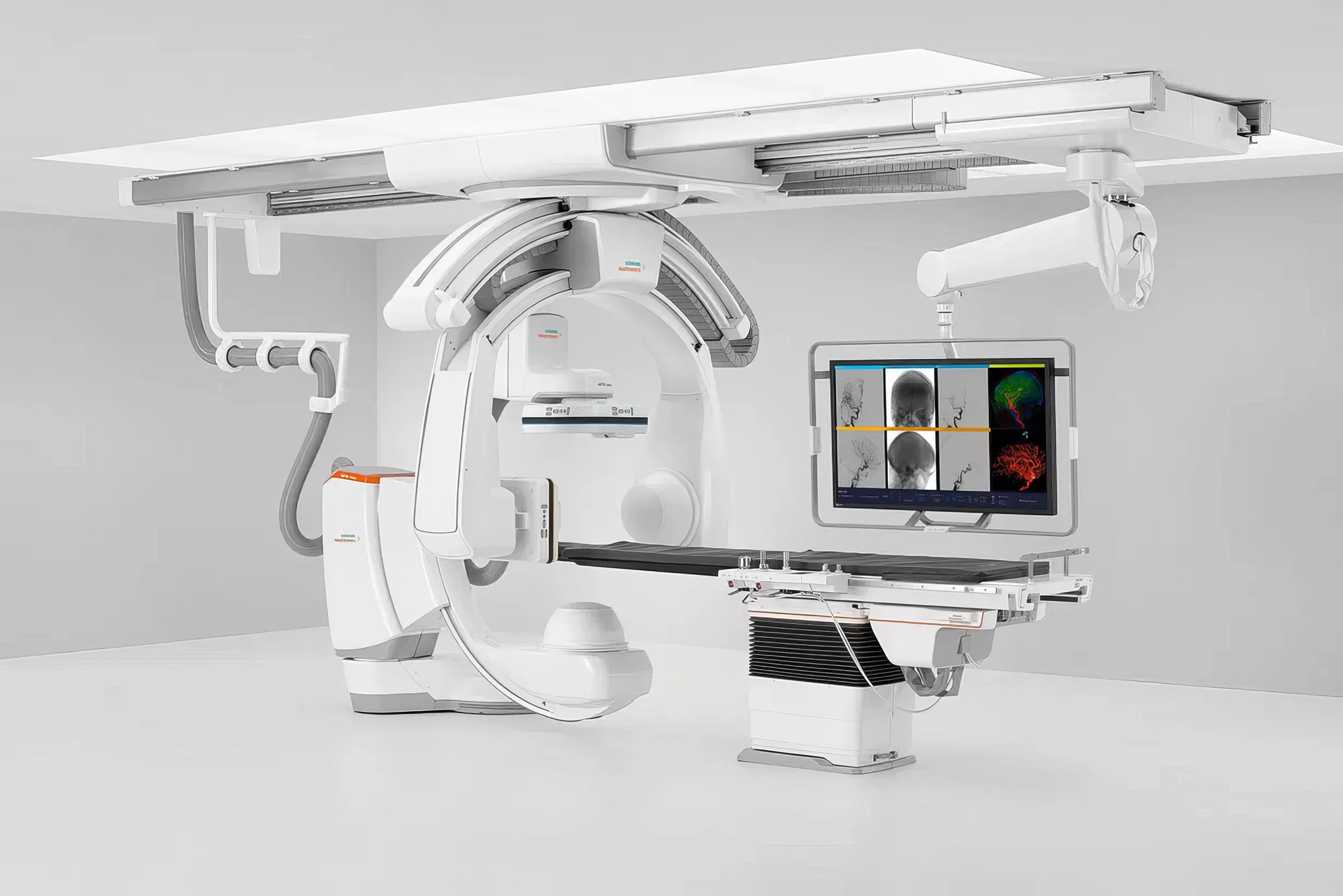
- Imaging Guidance: Fluoroscopy or other imaging techniques may be used to guide the retrieval process.
Post-Removal Care:
- Patients are monitored for any immediate complications.
- Long-term follow-up may be recommended to ensure the patient's ongoing vascular health.
Considerations:
- Patient Selection: The decision to place or remove an IVC filter depends on individual patient factors, including the risk of clotting, contraindications to anticoagulation, and the potential for filter-related complications.
- Risks and Complications: Both placement and removal procedures carry risks, including bleeding, infection, and injury to surrounding structures. The decision to use or remove an IVC filter involves a careful assessment of the risks and benefits for each patient.
It's important to note that medical practices and guidelines may evolve, and specific details can vary based on individual cases. Patients should discuss their unique situation, concerns, and questions with their healthcare providers.