


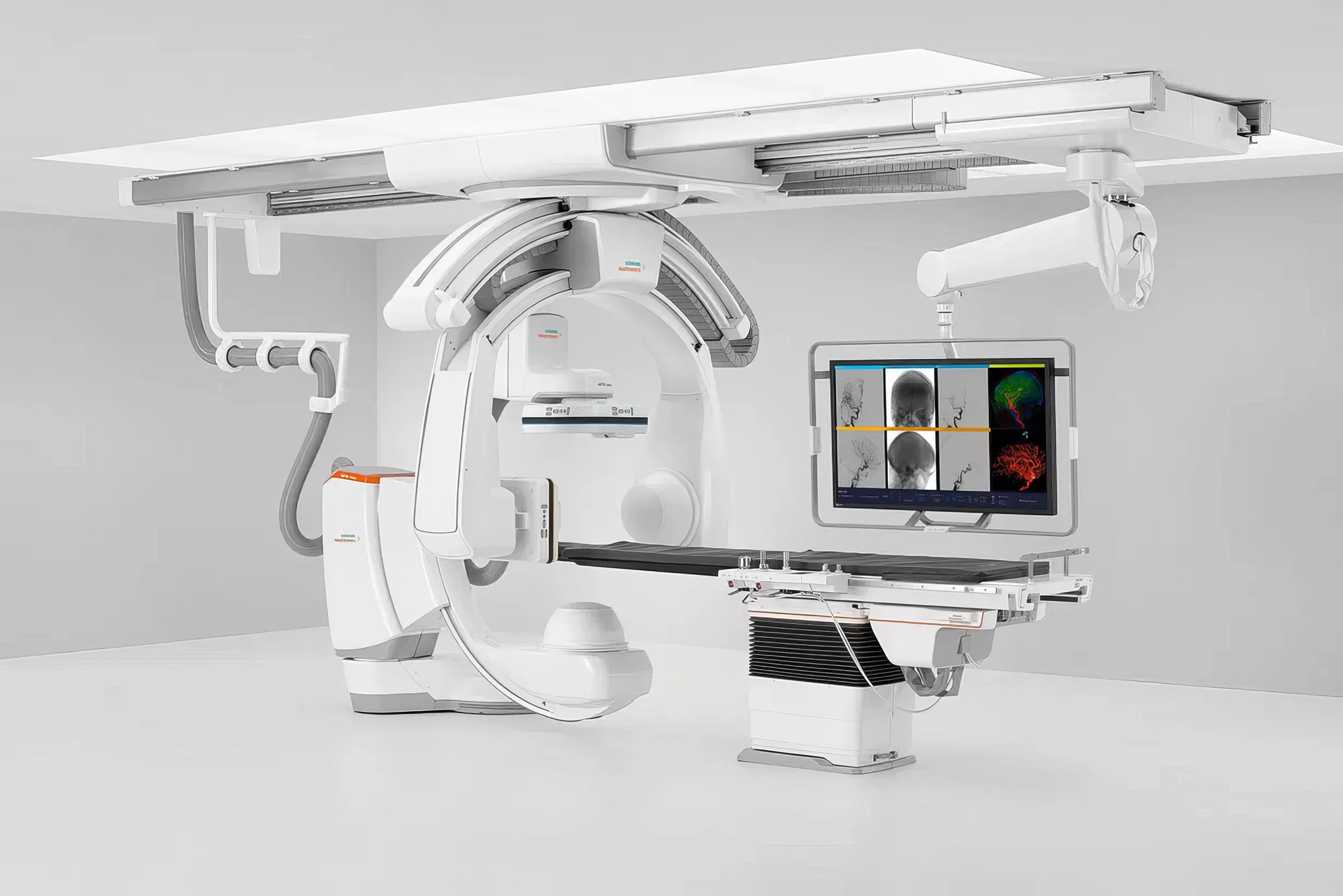
Biliary Drainage
Biliary Drainage
Treatment for:
Biliary Leak, Biliary obstruction
Why it’s done:
Obstruction of the bile ducts can result in jaundice, liver problems, and infection.
How it’s done:
An interventional radiologist uses ultrasound and X-rays to guide a needle puncture of the liver into one of the bile ducts. Contrast injection is done to outline the bile ducts and diagnose any problems. If needed, small wires and catheters are used to pass a wire through the ducts and into the bowel. A drainage tube can then be placed into the bile ducts for drainage to an external bag (external drainage), or internally to the bowel (internal drainage). In some cases, a metallic stent can be placed to relieve the obstruction.
Level of anesthesia:
Conscious sedation or general anesthesia
Risks:
Bleeding, infection, sepsis, damage to bile ducts
Post-procedure:
Two to four hours of bed rest
Follow-up:
Biliary drainage catheters should be exchanged every 6-8 weeks to prevent obstruction and infection.